Welspun Living PESTLE Analysis

Make Smarter Strategic Decisions with a Complete PESTEL View
Unlock strategic clarity with our focused PESTLE Analysis of Welspun Living—three-to-five sentence insight won't cut it, so we map political, economic, social, technological, legal and environmental forces shaping its future. Ideal for investors and strategists, this ready-to-use report reveals risks and growth levers. Purchase the full analysis now for the complete, actionable intelligence you need.
Political factors

Trade tariffs and export policies
As a major exporter, Welspun Living faces direct margin and pricing impact from shifts in tariffs, FTAs and export incentives; India replaced MEIS with RoDTEP in 2021 to refund embedded taxes, affecting net realizations for textile exporters.
Recent US and EU trade policy reviews—where applied tariffs on certain textile lines can reach double digits—can change market access and duty burdens for Welspun's key destinations.
Monitoring bilateral agreements and preferential rules helps optimize sourcing and destination mix to preserve margins amid changing duty structures and incentive adjustments.
Government support for textiles
Policies such as PM MITRA's seven mega textile parks and the central PLI allocation of Rs 10,683 crore for MMF textiles can lower capex and operating costs for players like Welspun.
State-level power, water and logistics incentives materially affect plant-level economics and unit costs.
Stable policy frameworks support longer-term capacity planning, while competitive gains depend on timely approvals and compliance.

Geopolitical and shipping disruptions
Geopolitical shocks and route closures raise freight and extend lead times, disrupting delivery reliability for Welspun Living; maritime trade still carries over 80% of global trade by volume (UNCTAD, 2024). Diversifying ports and carriers mitigates volatility. Sanctions and export controls can complicate sourcing of specialty fibers, chemicals or machinery. Resilience needs multi‑origin inputs and inventory buffers.

Agri and cotton policy interventions
MSP choices, import duties and quota changes materially affect domestic cotton prices and availability; India, the world’s second-largest cotton producer (around 25% of global output), sees volatility transmitted to Welspun’s raw-material costs. Subsidies for quality and traceability boost input consistency, while policy-driven shifts to alternative fibers can reshape the raw-material basket; alignment with farm programs supports stable supply.
- MSP/import duties: price and availability
- Subsidies: quality & traceability consistency
- Fiber-policy shifts: raw-material mix
- Farm program alignment: supply stability
Labor and social welfare priorities
Export tariffs, FTAs and rising wages squeeze margins despite PLI and PM MITRA incentives
Export tariffs, FTAs and RoDTEP (post-2021) directly affect margins and net realizations for Welspun Living across major markets.
Trade reviews in US/EU (textile tariffs can hit double digits) and sanctions risk raise market-access and supply-chain costs.
PLI Rs 10,683 crore, PM MITRA parks and state incentives cut capex/Opex, while wages (~INR 300–450/day) and employer contributions (~12–13%) raise operating costs.
| Factor | Key data |
|---|---|
| Tariffs/FTAs | RoDTEP; US/EU tariffs up to double digits |
| Incentives | PLI Rs 10,683 crore; PM MITRA parks |
| Labor | Min wage INR 300–450/day; employer contrib ~12–13% |
What is included in the product
 Detailed Word Document
Explores how Political, Economic, Social, Technological, Environmental and Legal forces specifically impact Welspun Living, with data-backed trends and sector examples to surface risks and opportunities; designed for executives and investors, it delivers actionable, forward‑looking insights ready for strategic planning.

 Customizable Excel Spreadsheet
A clean, summarized Welspun Living PESTLE that’s visually segmented by category for quick interpretation, easily dropped into presentations or shared across teams to streamline external risk and market-position discussions.
Economic factors

Global demand cycles
Home-textiles closely track housing, renovation and hospitality cycles: US hotel occupancy exceeded 60% in 2023 (STR), and global air travel recovered to roughly 90% of 2019 levels by 2024 (IATA), so slowdowns in the US/EU depress orders and ASPs while rebounds lift volumes. Institutional demand follows travel/occupancy trends, and Welspun’s diversified channel exposure across retail, B2B and exports smooths volatility.
Currency volatility
INR volatility — ~83.5 per USD and ~90 per EUR as of July 2025 — directly alters Welspun Living export competitiveness and translation of foreign sales into INR, widening reported revenue swings. Hedging programs reduce spot exposure but cannot fully eliminate margin volatility from sudden moves. Significant import content in chemicals, machinery and specialty fibers increases FX sensitivity, while pricing clauses and natural hedges (local sourcing, export receipts) help stabilize outcomes.

Raw material price swings
Cotton, polyester and energy cost swings drive Welspun Living COGS volatility; cotton futures and polyester feedstock track oil, with Brent trading roughly $70–90/barrel through 2024, causing input resets. Crop yields and weather have produced cotton price swings of up to ~15–25% seasonally, while oil-driven polyester costs move quickly. Strategic sourcing, tighter inventory management and vendor hedges protect gross-margin spreads. Value engineering and premium mix upgrades help offset input inflation.

Freight and logistics costs
Container shortages and elevated fuel surcharges compressed margins for Welspun Living despite global spot rates dropping roughly 70% from 2021 peaks to about 2,000–3,000 USD per TEU in 2024; bunker prices averaged near 450 USD/ton in 2024, keeping surcharges material. Near-shoring and regional warehouses can cut landed cost and shave lead times by weeks. Multi-carrier contracts and cube-optimized packing lower per-unit freight and diversify disruption risk.
- Container rates ~2,000–3,000 USD/TEU (2024)
- Bunker ~450 USD/ton (2024)
- Near-shoring reduces lead time by weeks
- Multi-carrier + cube optimization lowers unit freight
Interest rates and liquidity
Working-capital intensity makes borrowing costs material for Welspun Living; in the current higher-rate cycle (Fed funds ~5.25–5.50%, RBI policy around 6.5% in 2024–25) finance charges on receivables and inventory rise, pressuring margins. Strong cash-conversion and favorable supplier terms bolster resilience, while access to export credit lines enables growth funding without equity dilution.
Export tariffs, FTAs and rising wages squeeze margins despite PLI and PM MITRA incentives
Economic drivers for Welspun Living: demand ties to housing, hospitality and travel recovery (US hotel occupancy >60% in 2023; global air travel ~90% of 2019 by 2024). INR at ~83.5/USD and ~90/EUR (Jul 2025) and higher interest rates (Fed ~5.25–5.50%, RBI ~6.5%) raise FX and funding volatility. Input cost swings—Brent ~$70–90/bbl (2024), container rates ~2,000–3,000 USD/TEU—pressure COGS and margins.
| Metric | Value |
|---|---|
| INR/USD (Jul 2025) | ~83.5 |
| Brent (2024) | $70–90/bbl |
| Container rate (2024) | $2,000–3,000/TEU |
| Fed funds (2024–25) | ~5.25–5.50% |
What You See Is What You Get
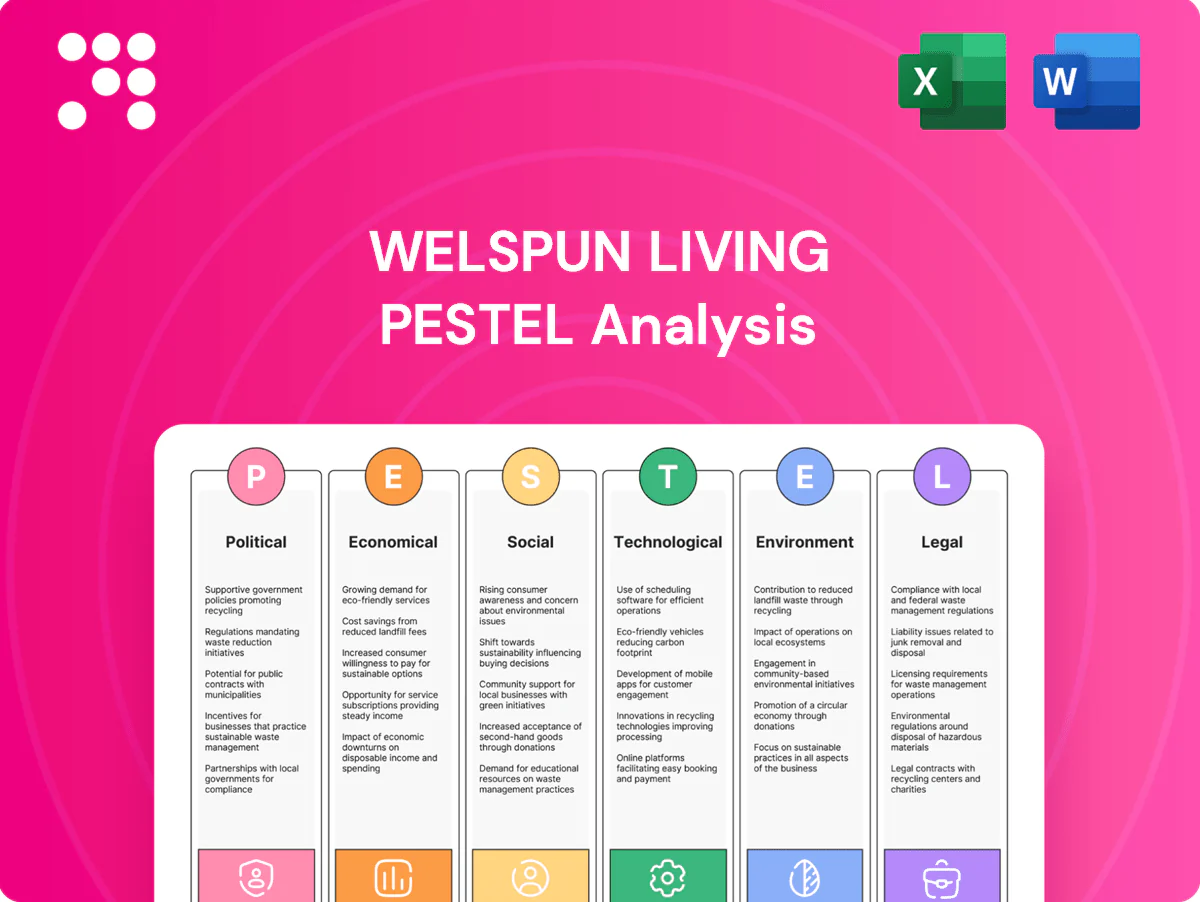
Welspun Living PESTLE Analysis
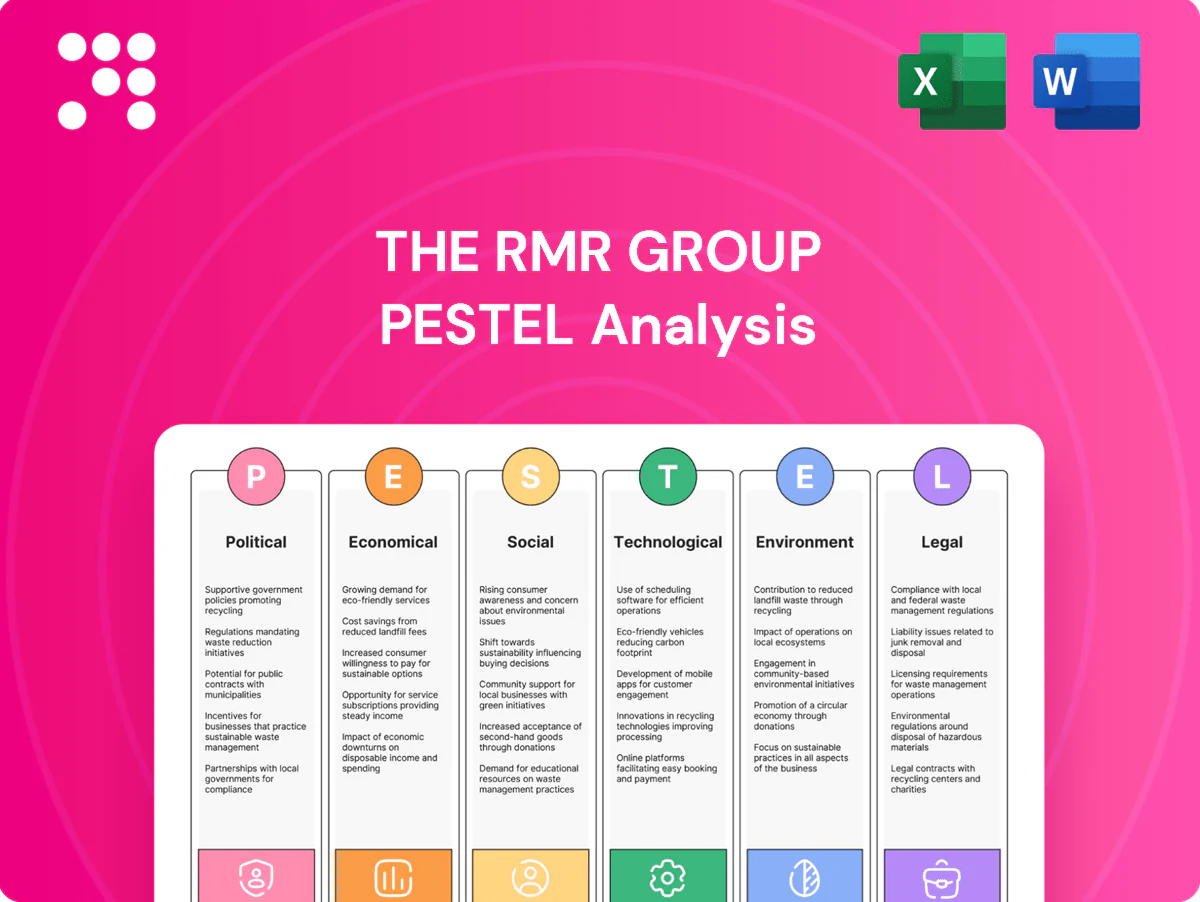
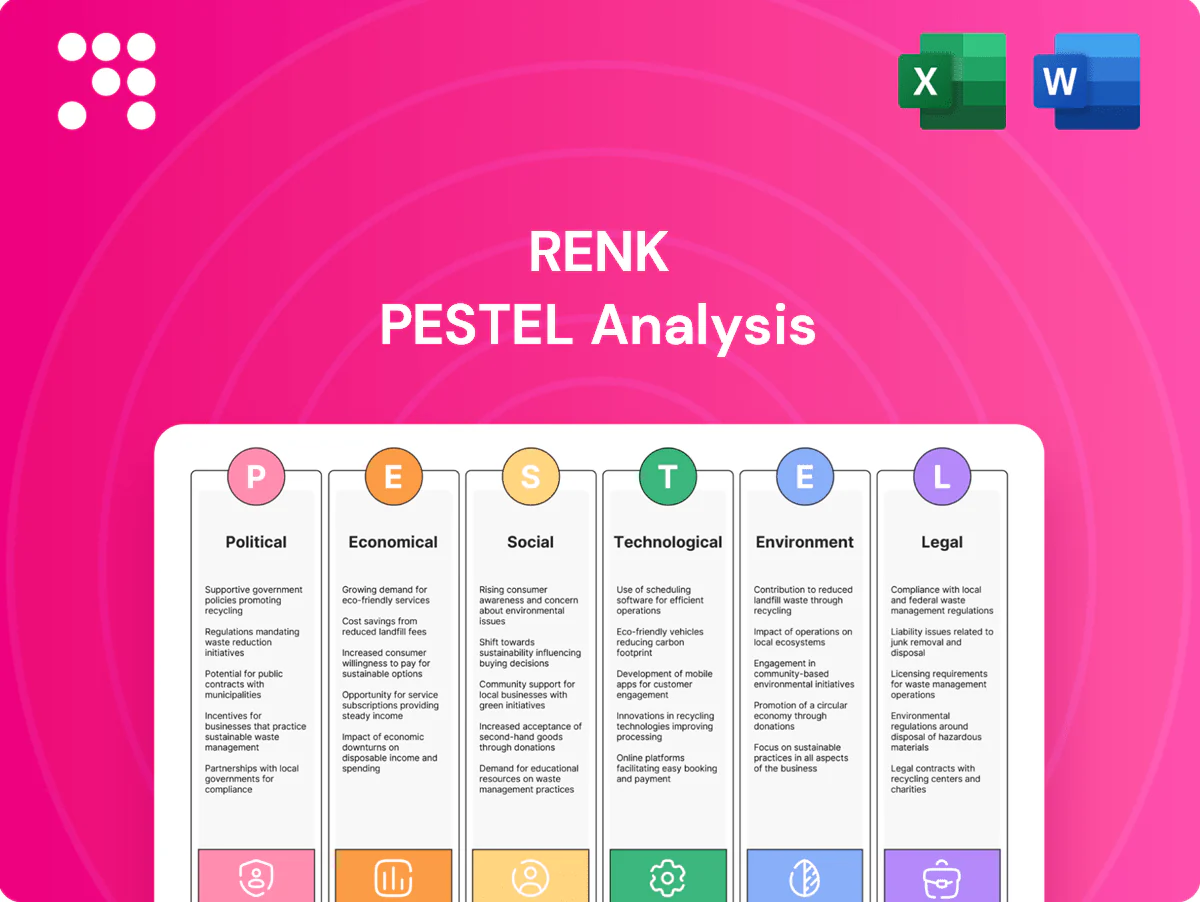
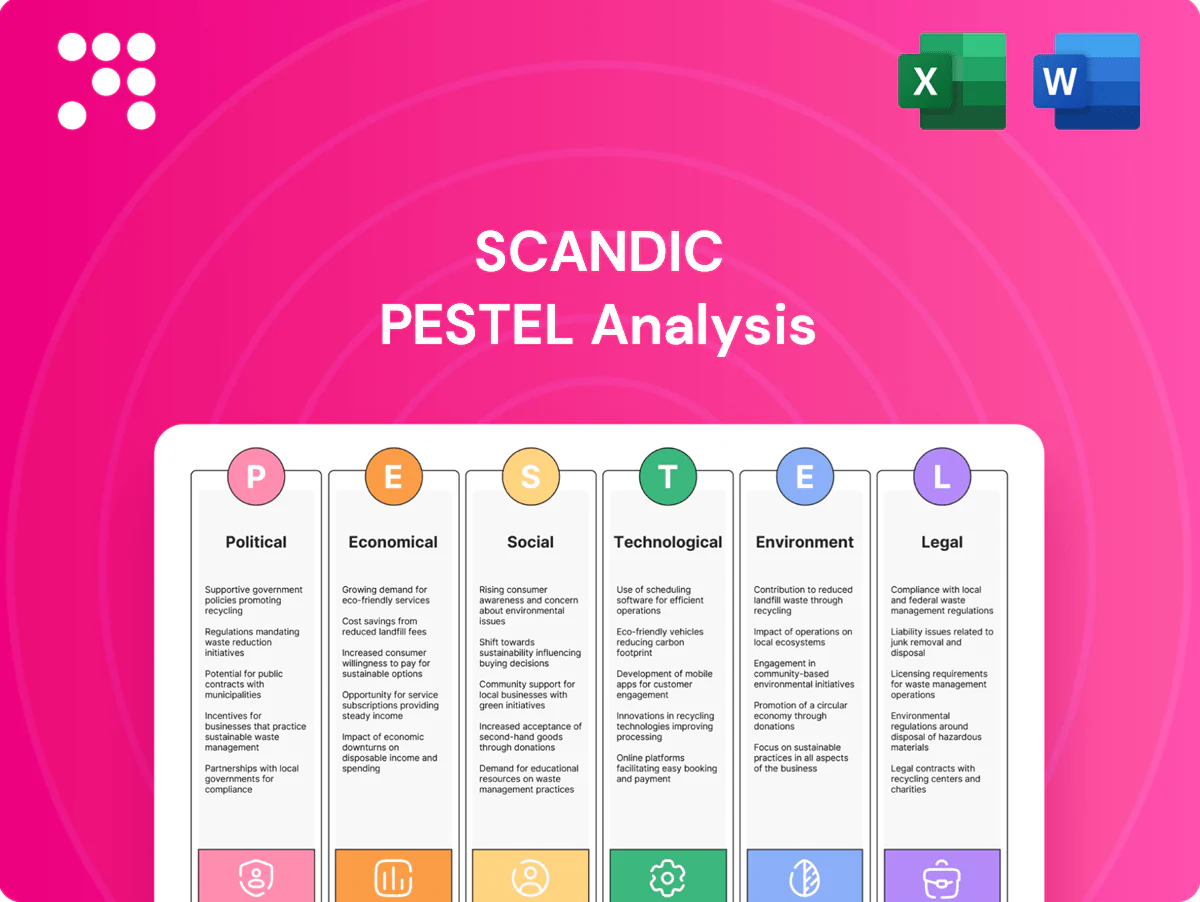
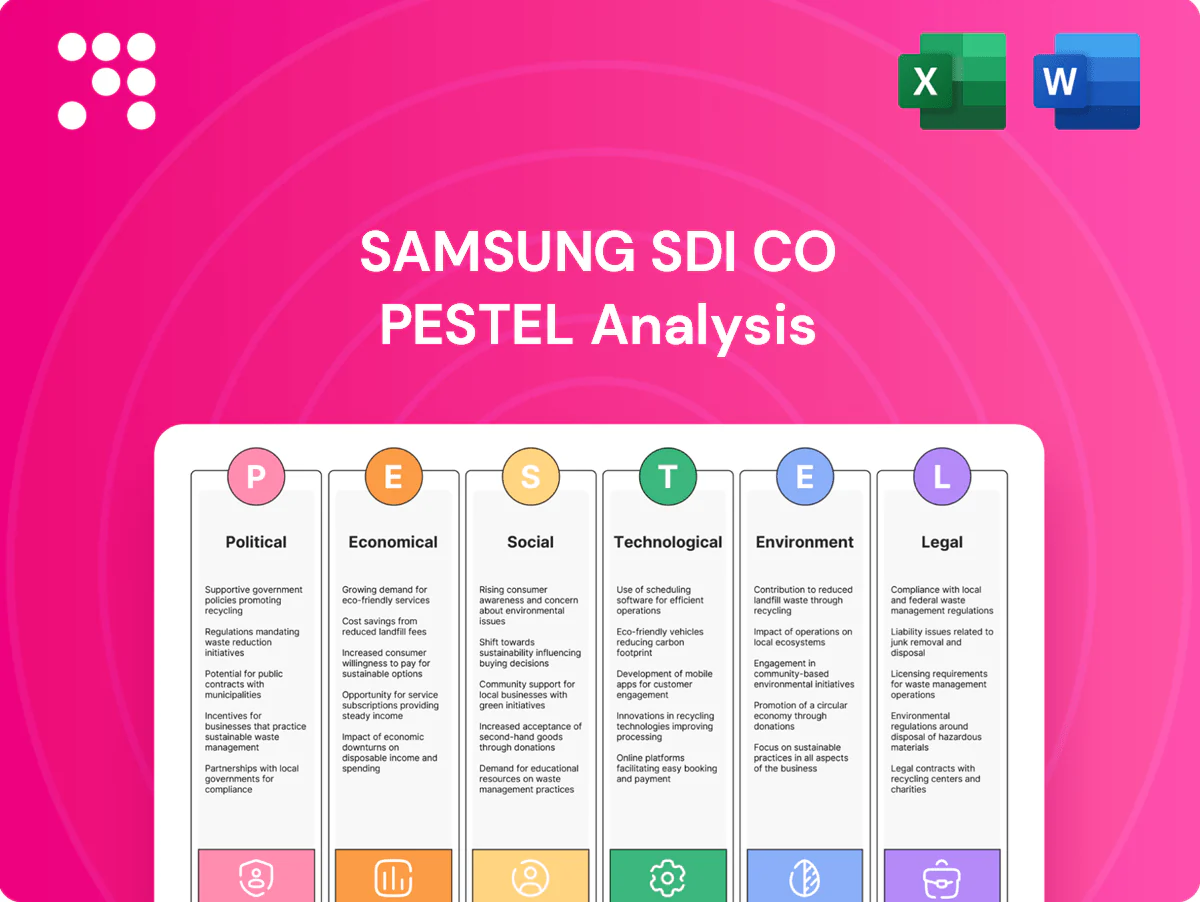
The preview shown here is the exact Welspun Living PESTLE Analysis you’ll receive after purchase—fully formatted and ready to use. This file contains the complete, professionally structured PESTLE assessment for Welspun Living with no placeholders or teasers. After payment you will instantly download this identical, final document.

Product Information
Product Information
Shipping & Returns
Shipping & Returns
Description
Make Smarter Strategic Decisions with a Complete PESTEL View
Unlock strategic clarity with our focused PESTLE Analysis of Welspun Living—three-to-five sentence insight won't cut it, so we map political, economic, social, technological, legal and environmental forces shaping its future. Ideal for investors and strategists, this ready-to-use report reveals risks and growth levers. Purchase the full analysis now for the complete, actionable intelligence you need.
Political factors
Trade tariffs and export policies
As a major exporter, Welspun Living faces direct margin and pricing impact from shifts in tariffs, FTAs and export incentives; India replaced MEIS with RoDTEP in 2021 to refund embedded taxes, affecting net realizations for textile exporters.
Recent US and EU trade policy reviews—where applied tariffs on certain textile lines can reach double digits—can change market access and duty burdens for Welspun's key destinations.
Monitoring bilateral agreements and preferential rules helps optimize sourcing and destination mix to preserve margins amid changing duty structures and incentive adjustments.
Government support for textiles
Policies such as PM MITRA's seven mega textile parks and the central PLI allocation of Rs 10,683 crore for MMF textiles can lower capex and operating costs for players like Welspun.
State-level power, water and logistics incentives materially affect plant-level economics and unit costs.
Stable policy frameworks support longer-term capacity planning, while competitive gains depend on timely approvals and compliance.
Geopolitical and shipping disruptions
Geopolitical shocks and route closures raise freight and extend lead times, disrupting delivery reliability for Welspun Living; maritime trade still carries over 80% of global trade by volume (UNCTAD, 2024). Diversifying ports and carriers mitigates volatility. Sanctions and export controls can complicate sourcing of specialty fibers, chemicals or machinery. Resilience needs multi‑origin inputs and inventory buffers.
Agri and cotton policy interventions
MSP choices, import duties and quota changes materially affect domestic cotton prices and availability; India, the world’s second-largest cotton producer (around 25% of global output), sees volatility transmitted to Welspun’s raw-material costs. Subsidies for quality and traceability boost input consistency, while policy-driven shifts to alternative fibers can reshape the raw-material basket; alignment with farm programs supports stable supply.
- MSP/import duties: price and availability
- Subsidies: quality & traceability consistency
- Fiber-policy shifts: raw-material mix
- Farm program alignment: supply stability
Labor and social welfare priorities
Export tariffs, FTAs and rising wages squeeze margins despite PLI and PM MITRA incentives
Export tariffs, FTAs and RoDTEP (post-2021) directly affect margins and net realizations for Welspun Living across major markets.
Trade reviews in US/EU (textile tariffs can hit double digits) and sanctions risk raise market-access and supply-chain costs.
PLI Rs 10,683 crore, PM MITRA parks and state incentives cut capex/Opex, while wages (~INR 300–450/day) and employer contributions (~12–13%) raise operating costs.
| Factor | Key data |
|---|---|
| Tariffs/FTAs | RoDTEP; US/EU tariffs up to double digits |
| Incentives | PLI Rs 10,683 crore; PM MITRA parks |
| Labor | Min wage INR 300–450/day; employer contrib ~12–13% |
What is included in the product
Detailed Word Document
Explores how Political, Economic, Social, Technological, Environmental and Legal forces specifically impact Welspun Living, with data-backed trends and sector examples to surface risks and opportunities; designed for executives and investors, it delivers actionable, forward‑looking insights ready for strategic planning.
Customizable Excel Spreadsheet
A clean, summarized Welspun Living PESTLE that’s visually segmented by category for quick interpretation, easily dropped into presentations or shared across teams to streamline external risk and market-position discussions.
Economic factors
Global demand cycles
Home-textiles closely track housing, renovation and hospitality cycles: US hotel occupancy exceeded 60% in 2023 (STR), and global air travel recovered to roughly 90% of 2019 levels by 2024 (IATA), so slowdowns in the US/EU depress orders and ASPs while rebounds lift volumes. Institutional demand follows travel/occupancy trends, and Welspun’s diversified channel exposure across retail, B2B and exports smooths volatility.
Currency volatility
INR volatility — ~83.5 per USD and ~90 per EUR as of July 2025 — directly alters Welspun Living export competitiveness and translation of foreign sales into INR, widening reported revenue swings. Hedging programs reduce spot exposure but cannot fully eliminate margin volatility from sudden moves. Significant import content in chemicals, machinery and specialty fibers increases FX sensitivity, while pricing clauses and natural hedges (local sourcing, export receipts) help stabilize outcomes.
Raw material price swings
Cotton, polyester and energy cost swings drive Welspun Living COGS volatility; cotton futures and polyester feedstock track oil, with Brent trading roughly $70–90/barrel through 2024, causing input resets. Crop yields and weather have produced cotton price swings of up to ~15–25% seasonally, while oil-driven polyester costs move quickly. Strategic sourcing, tighter inventory management and vendor hedges protect gross-margin spreads. Value engineering and premium mix upgrades help offset input inflation.
Freight and logistics costs
Container shortages and elevated fuel surcharges compressed margins for Welspun Living despite global spot rates dropping roughly 70% from 2021 peaks to about 2,000–3,000 USD per TEU in 2024; bunker prices averaged near 450 USD/ton in 2024, keeping surcharges material. Near-shoring and regional warehouses can cut landed cost and shave lead times by weeks. Multi-carrier contracts and cube-optimized packing lower per-unit freight and diversify disruption risk.
- Container rates ~2,000–3,000 USD/TEU (2024)
- Bunker ~450 USD/ton (2024)
- Near-shoring reduces lead time by weeks
- Multi-carrier + cube optimization lowers unit freight
Interest rates and liquidity
Working-capital intensity makes borrowing costs material for Welspun Living; in the current higher-rate cycle (Fed funds ~5.25–5.50%, RBI policy around 6.5% in 2024–25) finance charges on receivables and inventory rise, pressuring margins. Strong cash-conversion and favorable supplier terms bolster resilience, while access to export credit lines enables growth funding without equity dilution.
Export tariffs, FTAs and rising wages squeeze margins despite PLI and PM MITRA incentives
Economic drivers for Welspun Living: demand ties to housing, hospitality and travel recovery (US hotel occupancy >60% in 2023; global air travel ~90% of 2019 by 2024). INR at ~83.5/USD and ~90/EUR (Jul 2025) and higher interest rates (Fed ~5.25–5.50%, RBI ~6.5%) raise FX and funding volatility. Input cost swings—Brent ~$70–90/bbl (2024), container rates ~2,000–3,000 USD/TEU—pressure COGS and margins.
| Metric | Value |
|---|---|
| INR/USD (Jul 2025) | ~83.5 |
| Brent (2024) | $70–90/bbl |
| Container rate (2024) | $2,000–3,000/TEU |
| Fed funds (2024–25) | ~5.25–5.50% |
What You See Is What You Get
Welspun Living PESTLE Analysis
The preview shown here is the exact Welspun Living PESTLE Analysis you’ll receive after purchase—fully formatted and ready to use. This file contains the complete, professionally structured PESTLE assessment for Welspun Living with no placeholders or teasers. After payment you will instantly download this identical, final document.